

The Role of Personalized Care Plans in Physical Health
Personalized care plans have become an essential part of modern physical health management. Rather than relying on one-size-fits-all approaches, these plans are designed around an individual’s specific needs, abilities, and goals. Many factors, including age, lifestyle, medical history, and daily routines, influence physical health. Personalized care plans recognize these differences and adapt strategies accordingly. By tailoring exercise, recovery, and health support to the individual, care plans improve effectiveness and sustainability. Understanding the role of personalized care plans highlights why individualized approaches are often more successful than generic health recommendations.
Addressing Individual Physical Needs and Limitations
Everybody responds differently to physical activity, treatment, and recovery. Personalized care plans take into account existing conditions, mobility levels, and physical limitations. This ensures that activities support progress without increasing injury risk. For example, someone recovering from an injury requires a different approach than someone focused on general fitness. Personalized planning allows adjustments to intensity, frequency, and type of activity. By working within personal limits rather than ignoring them, individuals are more likely to remain consistent and experience positive outcomes that align with their physical capabilities.
Supporting Long-Term Consistency and Motivation
Consistency is one of the most important factors in maintaining physical health. Personalized care plans improve adherence by aligning routines with individual preferences and schedules. When activities feel achievable and relevant, motivation increases naturally. Personalization also allows goals to be realistic and measurable, helping individuals track progress without discouragement. Rather than following rigid programs that may feel overwhelming, people engage more confidently with plans tailored to them. This sense of ownership supports long-term commitment and reduces the likelihood of burnout or abandonment.
Enhancing Recovery and Injury Prevention
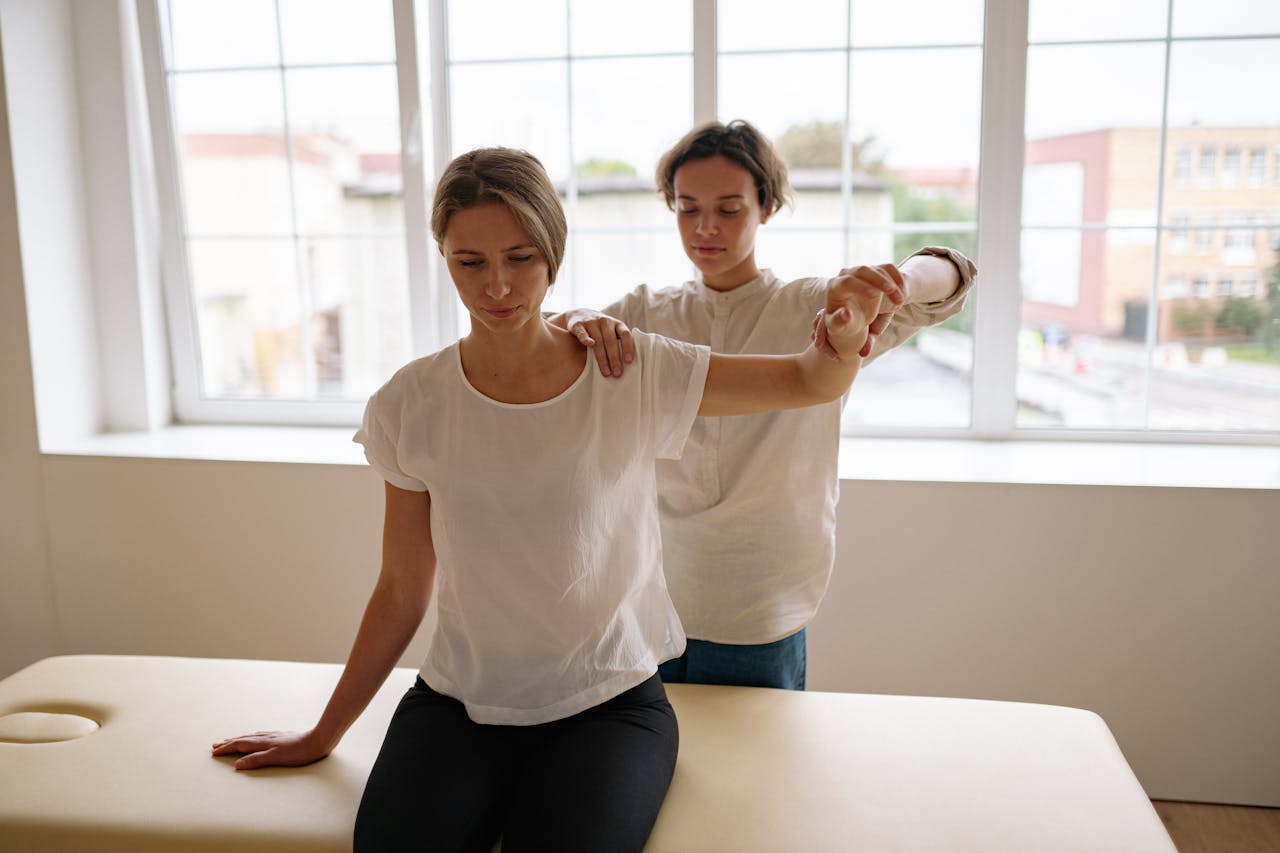
Recovery plays a vital role in physical health, and personalized care plans account for individual recovery needs. Factors such as sleep patterns, stress levels, and physical workload influence how quickly the body recovers—tailored plans balance activity with appropriate rest, reducing the risk of overuse injuries. Personalized approaches also adapt recovery strategies based on feedback and progress. By responding to how the body actually feels rather than following fixed timelines, care plans help maintain strength and mobility while minimizing setbacks that can disrupt long-term health.
Integrating Holistic Health Considerations
Personalized care plans often extend beyond physical activity alone. They may incorporate nutrition guidance, lifestyle habits, and daily movement patterns that support overall well-being. Physical health does not exist in isolation, and tailored plans reflect this connection. By aligning physical routines with broader health factors, individuals experience more balanced outcomes. This integrated approach ensures that physical improvements are supported by habits that reinforce energy, resilience, and functional strength in everyday life.
Personalized care plans play a critical role in supporting physical health by addressing individual needs, encouraging consistency, and promoting safe progress. By tailoring activity, recovery, and supportive habits to the person rather than the average, these plans increase effectiveness and sustainability. Physical health improves most when care strategies align with real-life circumstances and personal capabilities. Personalized approaches recognize that meaningful progress is built through understanding, adaptability, and long-term commitment, making them a cornerstone of effective physical health management.…

 Starting your fitness journey with a slow and steady approach allows you to build a solid foundation. This groundwork is crucial for long-term success. Focusing on the basics, you develop essential skills that will serve you well as you progress. When beginners rush into intense workouts, they often skip over fundamental movements. Mastering these basic exercises—like squats and push-ups—ensures proper form and technique. This enhances effectiveness and sets the stage for more complex routines later on. Additionally, strengthening core muscles provides stability during various activities.
 Consistency is the bedrock of any successful fitness journey. When you start slow, you allow yourself to build healthy habits that stick. This approach makes it easier to integrate exercise into your daily routine. Instead of overwhelming yourself with intense workouts that may leave you feeling drained, focus on manageable sessions. These short bursts of activity are less daunting and more sustainable over time. Moreover, consistent effort leads to gradual improvements. Small gains in strength or endurance might motivate you further.






 Yoga, an ancient practice that combines physical postures with deep breathing and meditation, is beneficial for your overall well-being and can greatly improve your sleep quality. Incorporating yoga into your daily routine can effectively reduce stress and anxiety levels, which are common culprits behind poor sleep. One of the main reasons why yoga promotes better sleep is its ability to relax both the mind and body. The gentle stretching and controlled movements in yoga poses help release tension from muscles and joints, allowing you to unwind before bedtime. Additionally, practicing mindfulness during yoga sessions cultivates a sense of calmness and tranquility that carries over into your sleeping patterns. If you want to engage in yoga, you should first know about yoga for beginners.
 Regular exercise is not only beneficial for physical health, but it also plays a crucial role in improving sleep quality. Regular physical activity helps regulate your body’s internal clock and promotes better sleep patterns. Exercise has been shown to increase the production of endorphins, which are natural chemicals that help reduce stress and promote feelings of well-being. By reducing stress levels, exercise can alleviate symptoms of anxiety or depression that may interfere with restful sleep. Additionally, aerobic exercises such as jogging or swimming increase heart rate and body temperature during the workout. This rise in core body temperature signals the brain to initiate a drop in temperature later on, promoting better-quality sleep.
 There are various options to explore when it comes to improving
 Aside from swimming, many scientists believe cycling is one of the best exercises for those on a keto diet. That’s because cycling is a low-impact workout that helps you burn a lot of calories. In fact, one study found that cyclists who exercised for two hours burned more than twice the calories compared to those who didn’t exercise at all. In fact, cycling is so effective that it’s often recommended as a workout for those trying to lose weight.
 We can’t talk about exercises for the keto diet without mentioning yoga. Yoga is a great way to help you lose weight and get into ketosis because it helps improve your flexibility, balance, and muscle strength. In fact, one study found that people who did yoga for just 30 minutes a day lost more weight than those who didn’t exercise at all. And since yoga can be done anywhere, it’s an excellent workout for those who don’t have access to a gym.
 When trying to flatten your tummy after a mommy makeover, you need to be extra careful about the foods you eat. Keeping your meals nutritious and balanced is vital to provide your body with the vitamins and minerals it needs to heal properly. At the same time, you want to avoid eating foods high in fat and calories, as these can contribute to weight gain. Instead, focus on eating, fresh fruits, lean protein, vegetables, and whole grains.
 Lastly, be sure to follow your doctor’s post-operative instructions carefully. This will help ensure that you heal correctly and avoid any complications. For example, you may need to wear a compression garment for a few weeks or refrain from strenuous activity for several weeks. Don’t hesitate to contact your doctor if you have any questions or concerns.



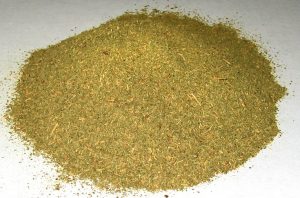 There are different types of Kratom plants with different strains providing various benefits. Even if white Borneo Kratom comes from a specific Kratom plant, it is crucial to understand that it offers a high concentration, energy, and endurance to users. Ideally, it is a relative of the coffee category since it almost has the same benefits, such as sharpened mental functions, reduced fatigue, and alertness.




 you want to purchase. There are manufacturers known to produce drugs that are not effective. Read reviews from various sites to understand which brands are the best. You can also get recommendations from people who have managed to use these supplements. Let them tell you the best brands in the market.…
 We have said that this is a smart drug and due to this reason, you should know how to use it. However, you cannot just wake up one day and start using this type of drug. At some time, your doctor can ask you to use based on your current condition. Once you have purchased this type of a smart drug, make sure that you go through a guide provided by your pharmacist before using it. If you have any questions concerning the usage, make sure to ask your pharmacist or doctor.